Kansas City Metro · Missouri & Kansas · 24/7
Mold Removal in Kansas City, MO
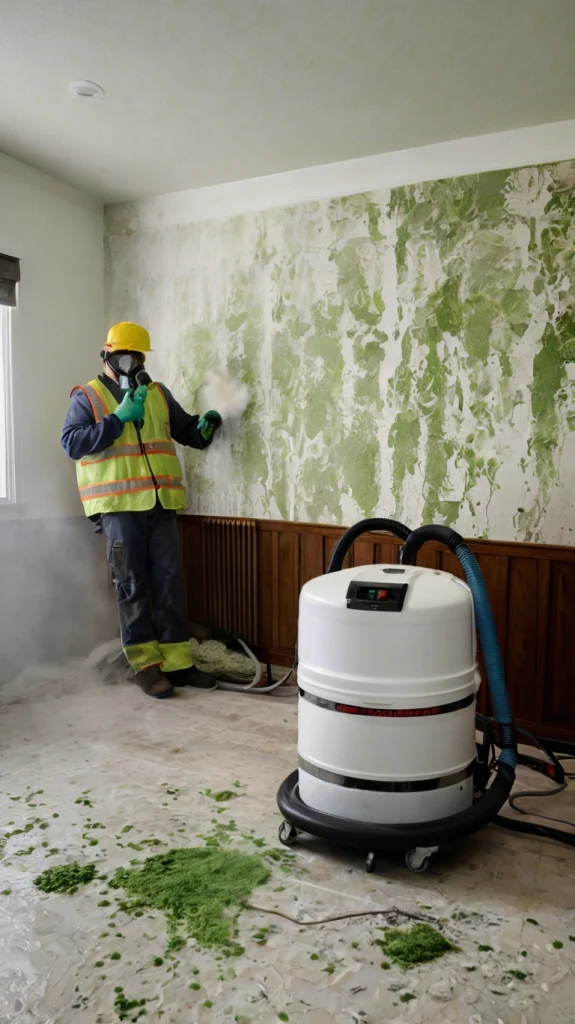
Our mold removal Kansas City service covers both removal and full remediation: we find the moisture source first, remove the growth under containment and correct the conditions behind it. Water damage and mold are handled by one team, so you never coordinate two contractors.
Call and describe what you’re seeing. We’ll tell you plainly whether it’s a small cleanup you can handle yourself or a job that needs a professional.
- Moisture source found first
- Containment and HEPA filtration
- Scope explained before work starts
What every job includes
- The cause named in writing
- A sealed, filtered work area
- The moisture problem corrected
Moisture First
Leak, drainage or humidity found before anything is removed
Containment
Sealed work area, negative air and HEPA filtration
One Team
Water damage and cleanup handled together
Both Sides of State Line
Missouri and Kansas suburbs
Quick answer
Why Does Mold Keep Coming Back?
It usually returns because the moisture that let it grow was never corrected. Growth needs dampness, something to feed on (drywall paper, wood, dust, carpet backing) and a few days. The EPA calls moisture control the key to mold control: clean the surface but leave the dampness, and it comes back. Around here, that moisture usually comes from one of four places:
Basements
Seepage, sump pump failures and finished walls against cool foundation concrete keep lower levels damp.
Humid Summers
Muggy July air meets cold ducts and vents, and condensation forms inside ceilings and closets.
Storm and Hail Leaks
Roofs damaged by hail and overflowing gutters send rain into attics and wall cavities.
Older Housing
Homes in Midtown, Westport and the Historic Northeast often have aging plumbing and plaster walls.
Removal vs remediation
Mold Removal and Mold Remediation in Kansas City
Removal takes out visible growth and the material it’s on. Remediation is the fuller process: containing the area, filtering the air, removing and cleaning contamination, drying, and correcting the moisture source. Which one you need depends on how large the problem is and where it’s hiding.
Small Surface Spot
Under about 10 square feet on a hard surface. The EPA says most homeowners can handle this with detergent and water, once the moisture is fixed.
Removal
Larger visible growth on drywall, framing or subfloor. Affected material is cut out and bagged, and the area is HEPA vacuumed and cleaned.
Full Remediation
Growth inside walls, across a basement or in HVAC. The area is sealed under negative air pressure, cleaned, dried and the source corrected before repairs.
Ask which standard a company follows. Neither Missouri nor Kansas licenses mold contractors at the state level, so the standard matters more than a logo. ANSI/IICRC S520 (2024, Fourth Edition) is the professional remediation standard, and it’s the one our work follows. Before you hire anyone, ask:
- How will the work area be contained, and how will the air be filtered?
- What caused the moisture, and who will fix it?
- Is clearance testing available, and can I bring an independent assessor?
- Can I see the scope in writing before work starts?
Services
Services for Kansas City Homes and Businesses
Residential and commercial work, from the first moisture reading to the finished repair.
Mold Removal and Remediation
Containment, negative air, HEPA filtration, removal of affected materials and correction of the moisture source.
Black Mold Removal
Stachybotrys chartarum is removed under the same sealed, filtered process used for any serious growth.
Basement Mold
Finished walls and carpet against foundation concrete, seepage, and growth after a sump pump failure.
Attic Mold
Roof deck and rafter growth under storm damaged roofs, blocked soffit vents or bath fans venting into the attic.
Crawl Space and Duct Mold
Damp crawl spaces, and condensation on ducts and air handlers in older homes.
Commercial Mold Remediation
Offices, rental units and other buildings, with work planned around occupants.
Not sure what you have? Start with a mold inspection and testing visit. Fresh leak or flood? Drying comes first through our water damage team.
Why Clear Air KC
You’ll Know What’s Wrong, Why, and What It Costs Before Work Starts
Moisture First Approach
Every job names the leak, drainage or humidity problem behind the growth and includes the fix in the plan.
Containment and HEPA Filtration
Plastic barriers, negative air pressure and HEPA air scrubbers keep spores out of the rest of the house.
Clear Written Scope
Photos, moisture readings and a written scope you can use with your insurer or any other contractor.
Water and Mold Together
No gap between the drying company and the cleanup company. One team, one plan.
Honest sizing comes first: if a spot is small enough to clean yourself, or a test won’t change the plan, you’ll hear that on the phone. More about Clear Air KC.
Reviews
What Kansas City Homeowners Say
See why locals call Clear Air KC when mold shows up.
We honestly didn’t know how bad the mold was until we started noticing the smell in our basement. I called Clear Air KC and they were able to come out quickly. They explained what they found, what needed to be removed, and kept us updated throughout the whole process. The crew was respectful of our home and cleaned up everything afterward. Huge relief knowing the mold was properly taken care of.
I was pretty stressed when we found mold in our attic, especially because we have young kids. Clear Air KC made the whole process much less overwhelming. They showed us exactly where the problem was and explained the mold removal process in a way that actually made sense. Everyone I dealt with was friendly, professional, and straight with us. I’m really glad we called them.
Finding mold in your house is not exactly how you want to spend your week, but Clear Air KC made it a lot easier. From the first phone call, they were responsive and professional. The crew was careful with our home, worked efficiently, and cleaned up when they were finished. Most importantly, we finally feel comfortable using the space again.
Our process
How We Approach Mold Problems
Eight steps, from finding the water to confirming the work is complete. Small jobs often take a day or two; basements, attics and HVAC take longer, especially when drying comes first. Each step is explained in more detail on our process page.
- 01
Assess
A look at the affected areas and a conversation about what you’ve noticed and when.
- 02
Find the Source
Thermal imaging and moisture meters show where the building is wet and why.
- 03
Contain
Plastic barriers and negative air pressure keep spores in the work area.
- 04
Remove
Affected drywall, insulation or carpet is cut out and bagged under containment.
- 05
HEPA Filter and Clean
Air scrubbers run during the work; surfaces and framing are HEPA vacuumed and cleaned.
- 06
Dry
Materials are dried until readings are back to normal for the material.
- 07
Correct the Moisture
The leak, drainage or humidity issue is fixed, or you’re told who should fix it.
- 08
Review and Verify
A final walkthrough; independent clearance testing can be arranged on request.
Want the detail behind each step, including when inspection or water work comes first? See our full process.
Local experience
Mold Problems We Commonly See in Kansas City
Most calls start with a smell, a stain, or a leak someone already knows about. Here’s what usually happens next.
A Sump Pump Quit During a Storm
Water sat on a finished basement floor for a day or more, and the carpet pad and bottom of the drywall wicked it up. The fix: dry fast, cut out what stayed wet, and check the pump and discharge line before the next storm.
A Ceiling Stain After Hail Season
The roof leak is often months old by the time the stain appears. The attic deck and insulation are checked, the roof is repaired, then the growth is removed.
A Musty Smell With Nothing Visible
Often hidden growth behind finished walls or in ductwork. This is when moisture mapping, and sometimes sampling, earns its cost.
A Rental Unit Between Tenants
Bathroom and closet growth from weak ventilation. The cause goes in writing, the growth is removed, and a fan or humidity fix keeps the next tenant from calling.
Where We See Mold Most
Is Black Mold More Dangerous Than Other Mold?
Color doesn’t tell you how risky a growth is, so it doesn’t change the plan. The CDC describes Stachybotrys chartarum as a greenish black species that grows on wet, cellulose rich materials like gypsum board and paper, and says all molds should be treated the same with respect to potential health risks and removal.
Exposure can cause nonspecific symptoms such as a stuffy nose, coughing, wheezing or itchy eyes and skin. If someone at home has health concerns, talk to a doctor, and avoid scrubbing or sanding large patches, which spreads spores.
Do You Need Mold Testing Before Removal?
Not always. When growth is visible, the EPA says sampling is usually unnecessary. The CDC adds that you don’t need to know which type you have, and there are no federal limits for spores to compare results against.
Testing is worth paying for when it answers a specific question: a musty smell with nothing visible, a home sale, a health concern, or a check after cleanup. See how our mold inspection visits work.
Pricing
How Much Does Mold Removal in Kansas City Cost?
Typical local projects often fall between about $1,100 and $3,300, with many near $2,200. Treat this as a general guide, not a price for your property. You hear the number before work starts.
Many projects settle near $2,200. Small open areas cost the least; finished basements, tight attics and HVAC work cost more. Cleanup without the moisture fix is money spent twice, so the fix is part of the plan.
- SizeSquare feet affected and the number of rooms.
- LocationOpen walls cost less than crawl spaces, attics or ductwork.
- MaterialsHow much drywall, insulation or flooring has to be replaced.
- Moisture RepairWhether a leak, drainage or humidity problem must be corrected.
Prevention
Keeping Mold From Coming Back
Control moisture and growth can’t start. The habits that matter most here:
- 1Keep humidity at 30 to 50 percent
- 2Dry leaks within 24 to 48 hours
- 3Move water away from the foundation
- 4Run bath and kitchen fans
- 5Test the sump pump before storms
Water Still Leaking or a Fresh Basement Flood?
Drying wet materials within 24 to 48 hours prevents most growth. Shut off the water if you safely can, then call. Extraction and drying are handled by the same team.
Service area
Mold Remediation Across the Kansas City Metro
Clear Air KC is based at 1501 Grand Blvd, Kansas City, MO 64108, and works on both sides of State Line. See all service areas or compare our services.
- Kansas City, MO
- North Kansas City
- Independence
- Lee’s Summit
- Blue Springs
- Raytown
- Overland Park, KS
- Shawnee
- Lenexa
Homes near Brush Creek, the Blue River and Turkey Creek that have taken on water can hide growth inside walls long after the floor looked dry. Somewhere nearby that isn’t listed? Call and ask.
Musty Basement or Spots on the Wall? Call Clear Air KC.
Talk with a local specialist about what you’re seeing, what’s causing it, and what it really needs.
Clear Air KC · 1501 Grand Blvd, Kansas City, MO 64108 · 24/7